


Management matters: Social media for professionals
Vol. 80, No. 4 / July-August 2024

Jeffrey R. Schoenberger is a senior consultant at Affinity Consulting Group.
Whether you strive to be a social media influencer or someone who only checks social media once a month, platforms like Facebook, TikTok, LinkedIn, YouTube, and Instagram are here to stay, for better or worse.
Therefore, you must educate yourself on proper social media usage to ensure that your private and professional lives do not conflict.
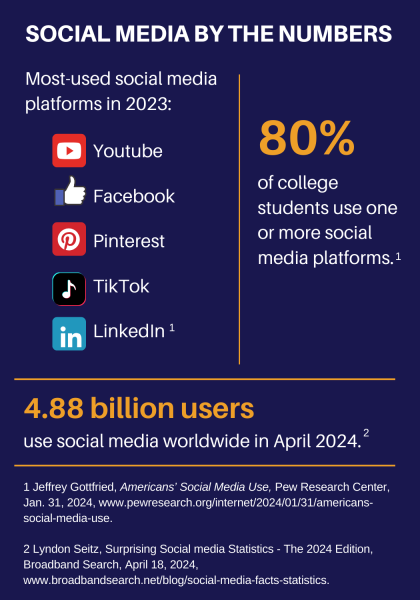 Why are you on social media?
As a first step, ask yourself, “Why do I use social media?” Do you use it to communicate with friends? To keep in contact with your children or other family members? Another reason? Perhaps you use social media to promote yourself or your business.
Figuring out the “why” of social media for you helps you monitor your activity and allows you to use each individual platform appropriately. If you know why you use social media, then it is easier to determine how you should use it.
One size doesn’t fit all
Facebook, X (formerly Twitter), Snapchat, Instagram, LinkedIn, and the other platforms have distinct functions, customs, and expectations. Once you know why you use social media, you can better use the individual platforms. For example, you may want to communicate with distant family members on Facebook or show your Instagram followers a photo of yourself at an interesting location. Both activities would be inappropriate on LinkedIn, which is used to promote your professional self and business.
Exactly which platforms you prefer to use for these purposes is up to you, but make sure you’re using the platform(s) appropriately. It can take time to learn the proper use for each, but that time is well spent.
Understanding your digital presence
It can be easy to forget that social media is not actually private. Something most social media platforms have in common is the ability for people to gather quite a bit of information about you from relatively basic searches, even if you have strict privacy settings on your accounts. Many platforms allow users to publicly display personal information – name, location, employment, interests, relationship status, family and friends, etc. – alongside public posts.
Besides being aware of what you post, you should also understand other outwardly visible activity on social media. For example, Facebook groups and followed accounts on Instagram all tell a story about you as an individual and, by extension, as a member of your organization.
Know your social media presence and the impression it gives others about you – and your employer – when they search for your account. You want a positive portrayal on all social media platforms, especially considering your boss, coworkers, and current or potential clients may view your online interactions.
 Conduct self-audits
Even if you believe your social media account(s) could not possibly upset another person, perform an occasional self-audit to ensure you are representing yourself well. Some platforms, such as LinkedIn, have ways to view your account as strangers would.
This is a helpful tool when analyzing your accounts from the perspective of others.
You may only use social media to interact with friends and family but still keep communication clean and appropriate. You may only be directly communicating with someone you are close with but that communication could still be visible to, or passed along to, others.
Conclusion
You can only meet so many people in person, but you can connect with countless people digitally. Remember: The image you create of yourself digitally is visible to many more people (and for much longer) than in-person engagements. Make sure the version of you that others see online matches the version they meet in person.