


Missouri judges discuss appellate rules, formatting briefs, best type of oral argument during CLE
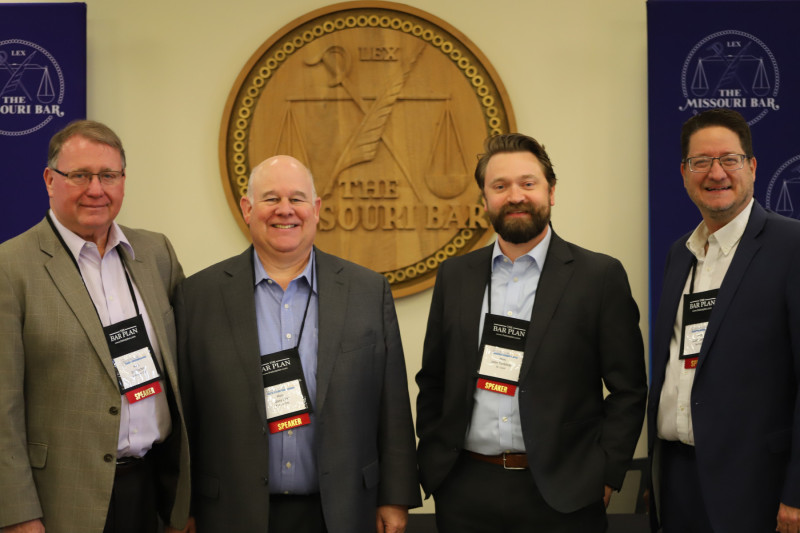 It can be difficult for lawyers to actually keep briefs brief. At a judicial panel Monday, judges offered suggestions for ways lawyers can concisely organize and draft briefs, as well as present effective oral arguments, as part of a CLE on common appellate practice issues.
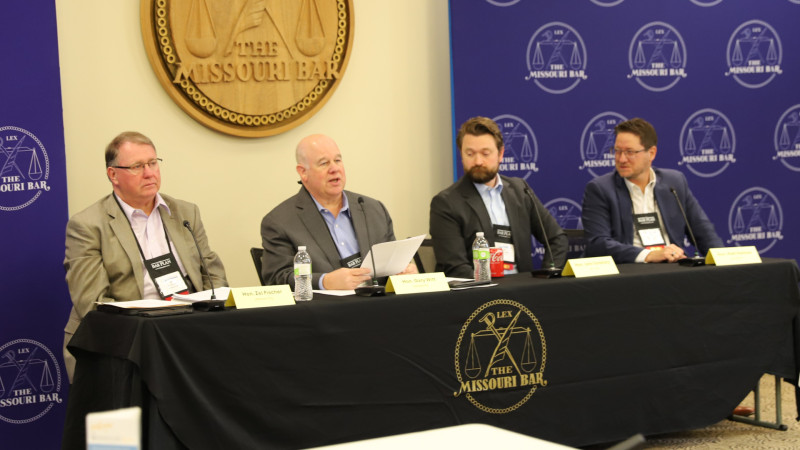
Hon. Zel Fischer, of the Supreme Court of Missouri; Hon. Gary Witt, of the Missouri Court of Appeals-Western District; Hon. John Torbitzky, of the Missouri Court of Appeals-Eastern District; and Hon. Matt Hamner, of the Missouri Court of Appeals-Southern District, provided insight into ways lawyers can even better improve their appellate practices.
The Missouri Bar Appellate Practice Committee arranged the panel, which was moderated by Cale Spangler, of Spangler Ward LLC in Sedalia.
The panel discussed what appellate lawyers might do that limits their position from the outset.
Torbitzky said he can tell when a lawyer’s brief lacks a clear argument. This can happen when a brief is overwritten — the pieces are painstakingly formatted and arranged but lack structure — or when it is underwritten, essentially a transcript with no overarching idea.
When going through a statement of facts, stating what each witness said is not as effective as telling the story of your case and citing where those parts are in the record, Witt added.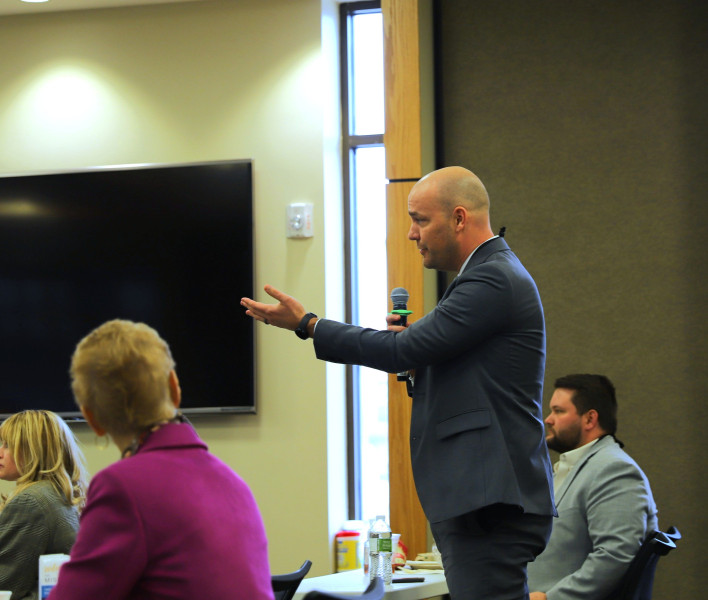
It should be clear to the judge that a lawyer thought about what they are trying to get out of a brief and what they want the judges to do, Torbitzky said.
Lawyers should also concisely draft their briefs and make it easy for a judge to find in your favor, Torbitzky said.
Witt encouraged lawyers to be upfront about information that might hurt their cases.
Lawyers can also make briefs shorter with a summary of arguments, Witt suggested.
Like Torbitzky, Witt encouraged brief writers to, “focus on what you need to get to the answer you want.”
Organization not only improves arguments but helps keep briefs short, Fischer said. If three out of five points in a brief have the same standard of review, for example, they can be grouped together and rely upon the same standard of review discussion.
 Fischer also discussed amicus briefs, acknowledging that many organizations produce professional briefs on even narrow issues of Missouri law, and it can be worth the appellate lawyer's time to work with these organizations.
While they don’t see amicus briefs often, the panelists said, they can be effective if done well. The judges emphasized that amici that provide topical legal analysis are more effective than amici that aggressively rely on policy arguments.
The judges also provided advice on ways lawyers can improve their oral arguments.
A good oral argument is a conversation, Torbitzky said.
“I personally would love it if every oral argument started with somebody coming up and saying, ‘These are the weakest parts of my case and this is why that doesn’t matter,’” he said, “because if we’re going to ask you questions at the oral argument, it’s always going to focus on the weakest parts of your case.”
Good oral arguments can be effective, Witt said, adding he has heard oral arguments that have changed his and other judges’ minds in previous cases.
The panelists also discussed new rules, or old rules that aren’t always followed, that appellate lawyers should remember. Fischer explained new rules 81.045 and 82.05, along with recent revisions to 83.04 and 83.05.
Other topics included mediation, local rules, livestreaming, why some opinions are not published, and abbreviations.
The panel will be rebroadcasted at a future date, to be announced.