


MOLAP conference provides tips for stress regulation, overcoming substance use disorders
Last Friday, speaker Sheila R. Pride raised her voice at the conference attendees.
“What were you thinking?” Pride exclaimed.
She wasn’t upset, and she had warned the room it was coming. But those in the room still raised their shoulders and held their breath.
Pride used it to show how our bodies’ nervous systems react under stress.
Attendees in person and online learned how to regulate their nervous systems and about other well-being topics during the annual Missouri Lawyers’ Assistance Program Conference at The Missouri Bar Center in Jefferson City.
"Most of us know what to do in life. We know what not to say, not to take a certain tone, we know about nonverbals, we are educated on how to be emotionally intelligent,” Pride said. “And then we have our nervous system, which can kick off in a second and then we throw all of that knowledge out and we’re just reacting. Sometimes we’re acting like our lives are on the line and that person (who) triggered us is the enemy.”
Pride is a therapist who helps her clients process trauma, regulate their heart rates, and improve interpersonal relationships. She walked attendees through techniques to avoid the typical fight-or-flight response lawyers may have during difficult situations.
Keynote speaker and presenter Mary Beth O’Connor talked about her journey from using methamphetamines to becoming a federal judge. She grew up in an abusive home and first drank alcohol when she was 12 years old. She started using drugs in high school and by the time she was a senior in college, she was using meth daily.
At age 32, she sought treatment. After trying a 12-step program, she created her own recovery plan based on several different approaches.
 When she got sober in 1994, she was told she had to address her substance use disorder first, then her mental health. But today we know the best practice is to address both simultaneously, O’Connor said. A lot of the same strategies will apply.
“The way I like to phrase it … is that it’s hard to stay sober if you have a mental health condition that’s not under control,” O’Connor said. “And it’s really hard to get your mental health under control if you’re not sober when you have a substance use disorder, and so they should both be tackled simultaneously,” she said.
She explained what a substance use disorder is, data about substance use rates in the legal profession, ethics rules that can be impacted by substance use disorders, treatment and peer support options, how substance use shows up in the legal field, and other resources.
“Whether it’s substance use or mental health, if you don’t address it, your life is going to be hard forever, whereas if you do address it, your life will be challenging for a while, but it will get better,” O’Connor said.
She said she tells people with similar struggles that they will come to realize they have the choice between drugs or happiness, but if they have a substance use disorder, they can’t have both.
“With time, it becomes clearer that what you’re giving up is really small compared to what you’re gaining, which is massive,” O’Connor said.
Michael C. Reed, of the Missouri Department of Labor and Industrial Relations, explained how a holistic approach can help lawyers reduce stress, giving practical examples and tips.
Laurel E. Stevenson, a director at the federal district court in Kansas City, talked about how trauma affects lawyers and her own experience working through trauma.
Timothy W. Roldan, of the Law Offices of Timothy W. Roldan, discussed different types of narcissism and how they can appear in the legal profession. 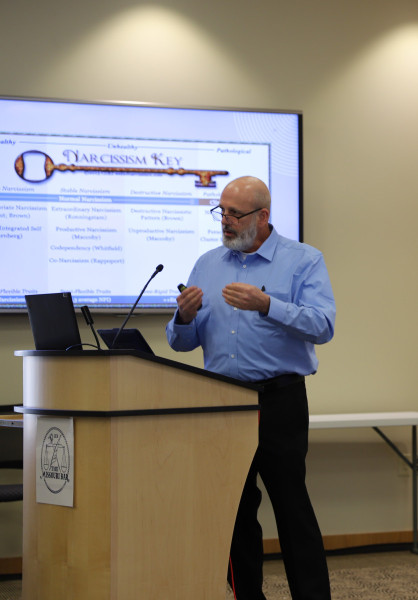
MOLAP awarded Judge Courtney Wachal the Dorothy Kaiser award, presented to a member in recognition of pioneering contributions in the field of chemical dependency, recovery, and continuing, compassionate care for lawyers in Missouri.
MOLAP awarded Commissioner William Gust the Warren Welliver award, presented to a member who has best exemplified compassion and concern for lawyers in Missouri during the last year.
The Missouri Lawyers' Assistance Program helps individuals overcome personal concerns such as substance use, depression, stress, and burnout through a variety of no-cost services. MOLAP provides a professional, confidential counseling program for members of The Missouri Bar, immediate family members who reside with them, and law students.
Services include:
— Counseling. All Missouri Bar members have access to services by calling 1-800-688-7859. MOLAP also makes referrals to professional resources.
— Crisis intervention. MOLAP coordinates crisis intervention services for individuals and law firms.
— Education and prevention. MOLAP offers educational programs and articles on topics such as substance use, stress, depression, and quality of life.
Visit MoBar.org/MOLAP for more information.