


President's page: From stigma to support - building a healthier legal profession
Vol. 81, No. 2 / March-April 2025
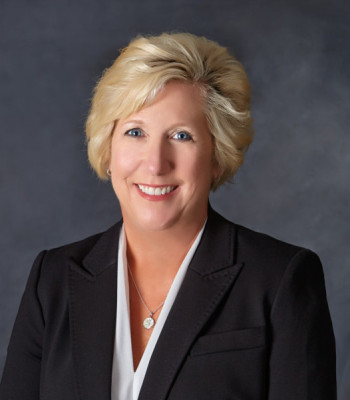
Shelly Dreyer is 2024-2025 Missouri Bar president.
Over my career, I’ve witnessed firsthand the toll that practicing law takes on our colleagues’ mental well-being – burnout, anxiety, depression, and substance use concerns. It’s a significant challenge facing our profession. If you’ve read my previous “President’s page” columns in the Journal or heard me speak, you know I frequently address lawyer well-being, because we can’t take care of our clients if we don’t take care of ourselves.
It is time we have an honest conversation about why we must eliminate the stigma surrounding mental health in our profession. The statistics are sobering. Lawyers experience depression, anxiety, and substance issues at rates far higher than the general population. Among lawyers, 28% have experienced symptoms of depression, 19% suffer with anxiety, and 23% suffer with stress. Lawyers also have a higher rate of problematic drinking than any other professionals.1 The American Bar Association National Task Force for Lawyer Well-Being found that 21-36% of lawyers qualify as problem drinkers and 11% have considered death by suicide.2
It saddens me to see friends and colleagues avoid seeking help due to stigma or fear of their law licenses being affected. Many of the traits that make us effective lawyers – perfectionism, attention to detail, and the ability to anticipate worst-case scenarios – can also make us more vulnerable to anxiety, depression, burnout, or substance misuse.
Unfortunately, the mental toughness required to be a lawyer often prevents lawyers from prioritizing their mental and emotional health and stops them from seeking help. There’s a persistent misconception that seeking help is a sign of weakness, that it could jeopardize client relationships, or that it might raise concerns with their law license or with the Missouri Office of Chief Disciplinary Counsel. These fears can create a dangerous cycle where lawyers hide their struggles until they reach a crisis point.
 As lawyers, we have the opportunity and responsibility to change this narrative. We must normalize conversations about mental health within our firms and legal organizations. When lawyers, especially senior lawyers, openly discuss the importance of a healthy mental state and share their own experiences, it sends a powerful message that seeking help is not just acceptable but encouraged. We must approach mental health concerns with the same openness and seriousness as any other medical condition.
Law firms can play a crucial role by implementing policies that prioritize mental health. This includes creating reasonable billable hour expectations, encouraging vacation time, and providing robust health insurance that covers mental health treatment. More importantly, firms need to foster an environment where lawyers feel safe discussing their mental health needs without fear of professional consequences.
For individual lawyers, there are several meaningful steps we can take. Start by checking in on colleagues, especially those who seem to be struggling. Learn to recognize the signs of mental health challenges in yourself and others. Utilize the no-cost, confidential resources available through the bar’s Missouri Lawyers’ Assistance Program. And perhaps most importantly, share your own experiences when you feel comfortable doing so.
Every time a lawyer speaks openly about mental health, it helps chip away at the stigma that keeps others from seeking help.
The Missouri Bar has long acknowledged the importance of well-being services for lawyers to ensure they can ethically and competently serve their clients. Members of The Missouri Bar, their families, and law students can receive no-cost, confidential counseling from MOLAP. In addition, MOLAP offers crisis intervention, education and prevention, suicide prevention training, and substance use support including peer-to-peer referrals. All interactions with MOLAP are with a licensed clinician and are completely confidential. If a lawyer does not feel comfortable receiving counseling from a MOLAP clinician for any reason, MOLAP will refer them to a contract provider for 12 no-cost counseling sessions over 12 months.
Call 1-800-688-7859 or visit MoBar.org/MOLAP to connect with MOLAP. Remember, reaching out for help is a sign of strength and hope.
Building on these efforts, The Missouri Bar has implemented several initiatives to further support lawyer well-being. In September 2022, The Missouri Bar Board of Governors passed a resolution creating the Standing Committee on Well-Being in the Profession, which works hard to reduce the stigma around well-being discussions and seeking help.
One of the new well-being projects I’m excited about is a statewide survey of Missouri Bar members to gather data and better serve lawyers. The Missouri Bar has contracted with the University of Utah and The Rocky Mountain Center for Occupational and Environmental Health to conduct this study, which will help The Missouri Bar identify specific issues Missouri lawyers face, enabling further efforts to address them.
Additionally, the 2024-25 Leadership Academy3 class is working on a service project focused on raising awareness and encouraging participation in the Well-Being Week in Law, May 5-9. The class is planning CLE programs, podcast episodes, videos, and more for the week. Look on page 59 for a gratitude gram from the class as part of its efforts to inspire well-being in the legal profession.
Remember, taking care of your mental health doesn’t make you a less capable lawyer – it makes you a better one. By breaking down the stigma surrounding mental health, we’re not just helping individual lawyers; we’re strengthening the entire legal profession.
Let’s make Missouri a leader in lawyer well-being by creating a culture where seeking mental health support is viewed as a sign of professional responsibility rather than weakness. Our colleagues’ lives and careers may depend on it.
The time for change is now, and it begins with each of us being willing to speak up, reach out, and stand together in support of mental health awareness in the legal profession.
Endnotes
1 Patrick Krill, et. al, The Prevalence of Substance Use and Other Mental Health Concerns Among American Attorneys, 10 J. OF ADDICTION MED. 46 (2016).
2 If you are in an emergency situation, please call 911 or the Suicide and Crisis Lifeline at 988.
3 The Missouri Bar Leadership Academy is a program designed to recruit, train, and retain Missouri lawyers who have been admitted for 10 years or less for leadership positions within The Missouri Bar. The academy seeks diversity in gender, race, area of practice, and region within the state. Leadership Academy participants engage in various activities, including attending The Missouri Bar Annual Meeting, Board of Governors meetings, committee meetings, and workshops specifically designed for leadership development. They also work on a public service project throughout the year and commit to serving The Missouri Bar in an active capacity for two years after completing the program.