


Strengthen emotional intelligence, tackle alcohol misuse
MOLAP offers confidential, no-cost alcohol screenings, resources during Alcohol Awareness Month

Stacy Parmer is director of the Missouri Lawyers’ Assistance Program.
April is Alcohol Awareness Month, and the Missouri Lawyers’ Assistance Program is here to help you if you are experiencing alcohol misuse. Throughout April, MOLAP is offering anonymous, no-cost alcohol screenings to Missouri Bar members, immediate family members who reside with them, and law students.
By the numbers
Excessive and high-risk drinking can be common among lawyers and is widely associated with increased stress levels and mental health issues such as depression and anxiety, often as a result of the difficult legal work lawyers do. While some may believe drinking relieves stress or other mental health challenges, studies found lawyers’ mental health issues are often exacerbated by alcohol use and work-related stress. This can lead to lawyers drinking more alcohol, creating a vicious cycle.
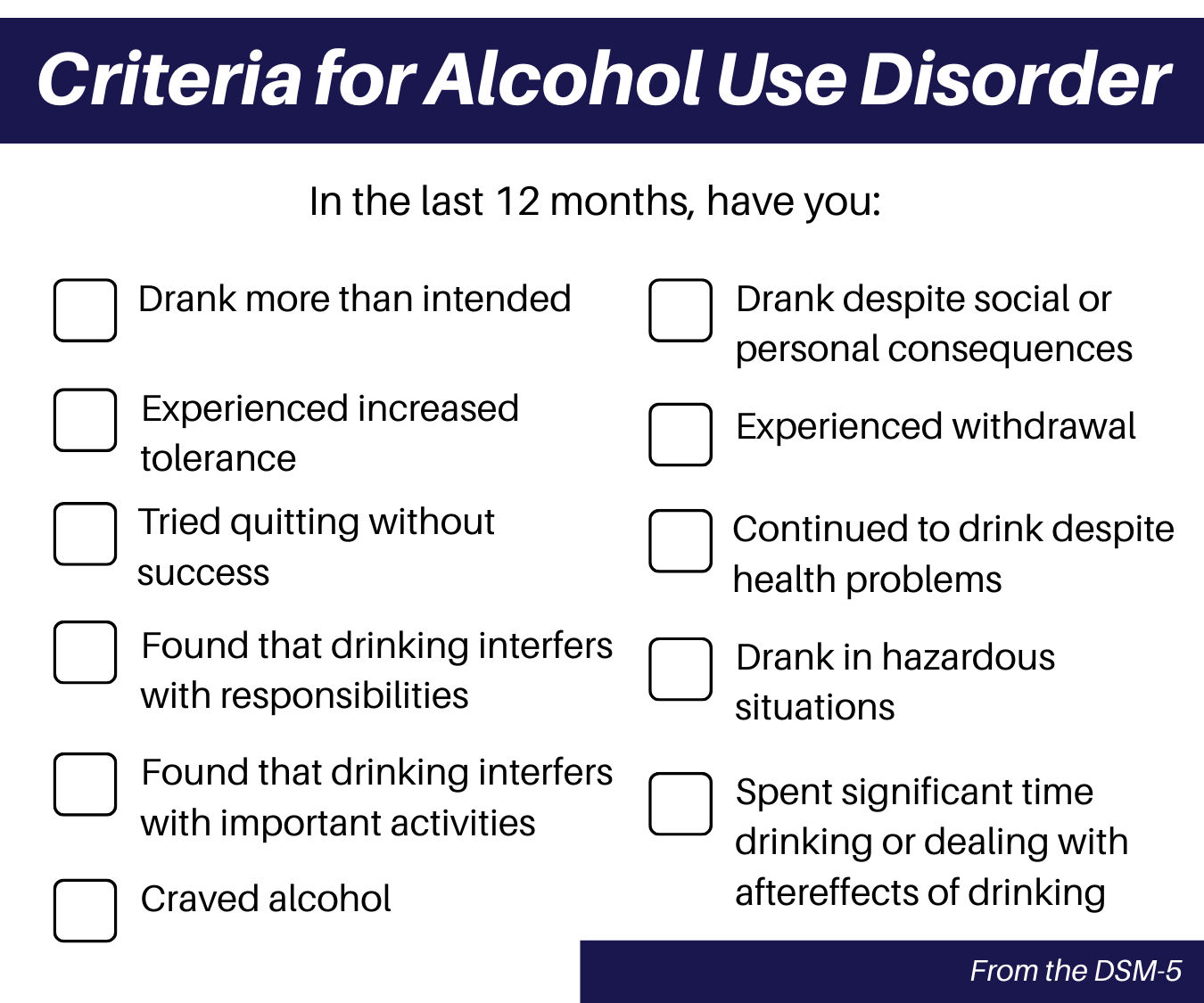
Alcohol Use Disorder is a problematic pattern of alcohol misuse leading to significant impairment or distress, diagnosed with at least two of 11 criteria within a 12-month period. Severity is categorized as mild (two to three symptoms), moderate (four to five symptoms), or severe (six-plus symptoms).
One study of more than 12,000 lawyers found that 20.6% reported problematic drinking that was “hazardous or harmful,” and lawyers in the first 10 years of their practice experienced the highest levels of problematic drinking.
The 2024 Bloomberg Law Well-Being Survey, meanwhile, found that 87% of lawyers said they were current drinkers or at least have been drinking alcohol since the beginning of 2024. Of the lawyers who had consumed alcohol since the beginning of 2024, 18% claim to drink four or more times a week and 25% drank two to three times a week.
Most of the respondents in the Bloomberg survey drank to self-medicate — 50% drank to relieve stress, 10% drank to numb their emotions/quiet their minds, and 6% drank to cope with emotional problems.
Relationship between emotional intelligence and alcohol
While alcohol could provide temporary relief in the form of numbness or a pleasurable high, using alcohol to self-medicate emotional distress is an unhealthy coping mechanism. Developing your emotional intelligence (EI) is a healthier way to train yourself to deal with negative feelings.
EI is the ability to recognize, understand, and manage emotions in ourselves and others, which then guides our thinking and behavior.2 Having more EI can lead to lower levels of stress, better decision making, increased rates of positive emotional states, and better client representation. Without a high EI to handle negative feelings, lawyers may be more likely to turn to alcohol to self-medicate.
For example, imagine you are in competition with a colleague at your law firm for the same partner position. If your colleague wins, you might feel frustrated and possibly look to drinking as a coping mechanism. However, if you have high levels of EI, you are more likely to take a step back and understand the partnership is based on merit, rather than resorting to drinking.
Tips for promoting alcohol awareness
As legal professionals, it is essential to establish a culture of well-being and support. Here are some ways you can promote alcohol awareness and encourage healthier habits:
- Educate yourself: Understand how alcohol affects mental health, the legal profession, and professional performance.
- Seek help: If you or your colleagues are struggling with alcohol misuse, don’t hesitate to reach out to MOLAP for support. Remember, reaching out for help is a sign of strength and hope.
- Promote balance: Encourage work-life balance to reduce stressors that may lead to unhealthy coping mechanisms, like drinking.
- Engage in conversations: Normalize discussions around alcohol misuse within your networks.
- Join the Lawyers’ Assistance and Well-being Committee community on connect.MOBAR.
- Request a peer volunteer: Contact MOLAP to be paired with a lawyer who has the lived experience of alcohol use.
MOLAP is here to help you build healthier habits with alcohol. Call the confidential MOLAP phone number at 800-688-7859 or visit MoBar.org/MOLAP to schedule your anonymous, no-cost alcohol screening or speak to a professionally trained clinician.
Endnotes
1 The Path to Lawyer Well-Being: Practice Recommendations for Positive Change, National Task Force on Lawyer Well-Being (Aug. 14, 2017), https://www.americanbar.org/content/dam/aba/administrative/professional_responsibility/lawyer_well_being_report_final.pdf.
2 Justin Anker and Patrick Krill, Stress, Drink, Leave: An Examination of Gender-Specific Risk Factors for Mental Health Problems and Attrition Among Licensed Attorneys, 16 PLoS One 1 (2021).
3 Am. Psychiatric Ass’n, Diagnostic and Statistical Manual of Mental Disorders (5th ed. text rev. 2022).
4 Patrick Krill, et al., The Prevalence of Substance Use and Other Mental Health Concerns Among American Attorneys, 10 J. Addict Med. 46 (2016).
5 Bloomberg Law Attorney Workload and Hours Survey, BLOOMBERG LAW (2024).
6 Id.